
When your teen is struggling, 50 minutes a week isn’t enough.
You noticed the signs.
The withdrawal. The anxiety. The slipping grades. The shorter answers. The longer silences.
So you did what good parents do – you found a therapist.
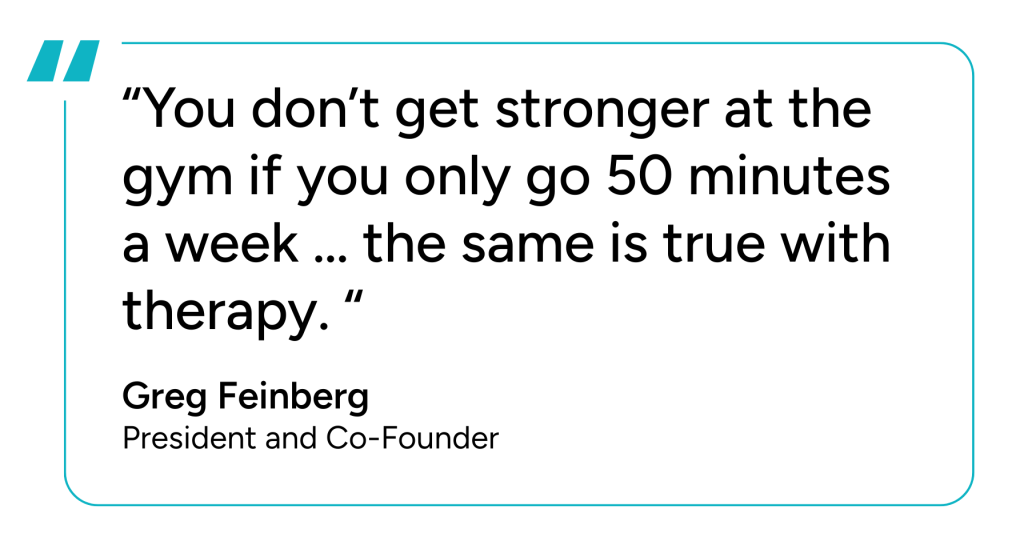
But here’s the hard truth most families don’t hear upfront: one 50-minute session per week isn’t designed for urgency. It’s not built for stabilization. It’s not structured for meaningful, rapid change. It’s maintenance, not intervention.
And when your teen is struggling now, maintenance isn’t enough.
The limits of once-a-week therapy.
Traditional weekly therapy can absolutely be helpful. But progress often moves slowly when there are seven full days between sessions. Emotions spike. Situations unfold. Patterns repeat. By the time the next appointment rolls around, the moment has passed – or the crisis has escalated.
For teens dealing with anxiety, depression, school refusal, social challenges, or emotional dysregulation, 50 minutes a week can feel like trying to put out a house fire with a cup of water.
Meanwhile, families wait. And wait. And hope something shifts.
Sometimes meaningful change can take months – even years – with once-a-week care. And many private therapists don’t take insurance, leaving families paying $150-$300 per session out of pocket. That’s a heavy financial burden without the intensity many teens actually need.
Why in-person, after-school treatment works.
ROWI GROWTH was designed for this exact gap in care.
Our Intensive Outpatient Program (IOP) provides in-person, after-school therapy four days a week, totaling about nine hours of treatment per week. That’s not just more time – it’s a different level of support.
Instead of revisiting the same patterns week after week, teens are with their peers, immersed in structured care that builds momentum. They receive:
- Individual therapy for personalized support
- Group therapy to practice skills in real time
- Family therapy to strengthen communication and connection at home
This comprehensive approach creates reinforcement. Skills aren’t discussed once – they’re practiced, refined, and supported consistently.
And because teens attend after school, they remain connected to their daily lives while receiving meaningful support. It’s real life, with real tools, in real time.
Meaningful results.
When therapy happens multiple times a week, breakthroughs don’t sit dormant for seven days, waiting for the next 50-minute appointment. They’re reinforced daily. Emotional regulation improves faster. Coping skills remain. Families feel progress, rather than simply talking about it.
Many families see meaningful shifts in just weeks – not months.
It’s not about replacing weekly therapy in every situation. It’s about recognizing when your teen needs more than a once-a-week check-in.
If your child is in crisis, withdrawing, overwhelmed, or stuck in patterns that aren’t improving, waiting another week between sessions may not be the answer.
And neither is draining your savings. ROWI takes insurance, making treatment accessible without overwhelming out-of-pocket costs.
Make the call.
When issues arise, your first call shouldn’t be to schedule a therapy appointment three weeks out.
Your teen is struggling now. Get real results, real fast.
Your first call should be ROWI.